
/
Solutions/
Giz MES · Intelligent Manufacturing Execution & Shopfloor Tracking
GIZ SYSTEMS / GIZ MES
Giz MES · Intelligent Manufacturing Execution & Shopfloor Tracking
An intelligent manufacturing execution system integrating work orders, WIP tracking, OEE, quality assurance, and shopfloor approvals into a single source of truth.
LinkedIn ↗
X (Twitter) ↗
← All Insightsgiz.systems/solutions/mes
PRODUCT IN USE
Inspect the product in use.
Actual product screens and sample verification results. Check each caption for its capture context and select an image to inspect.
giz.systems/solutions/supply-chain
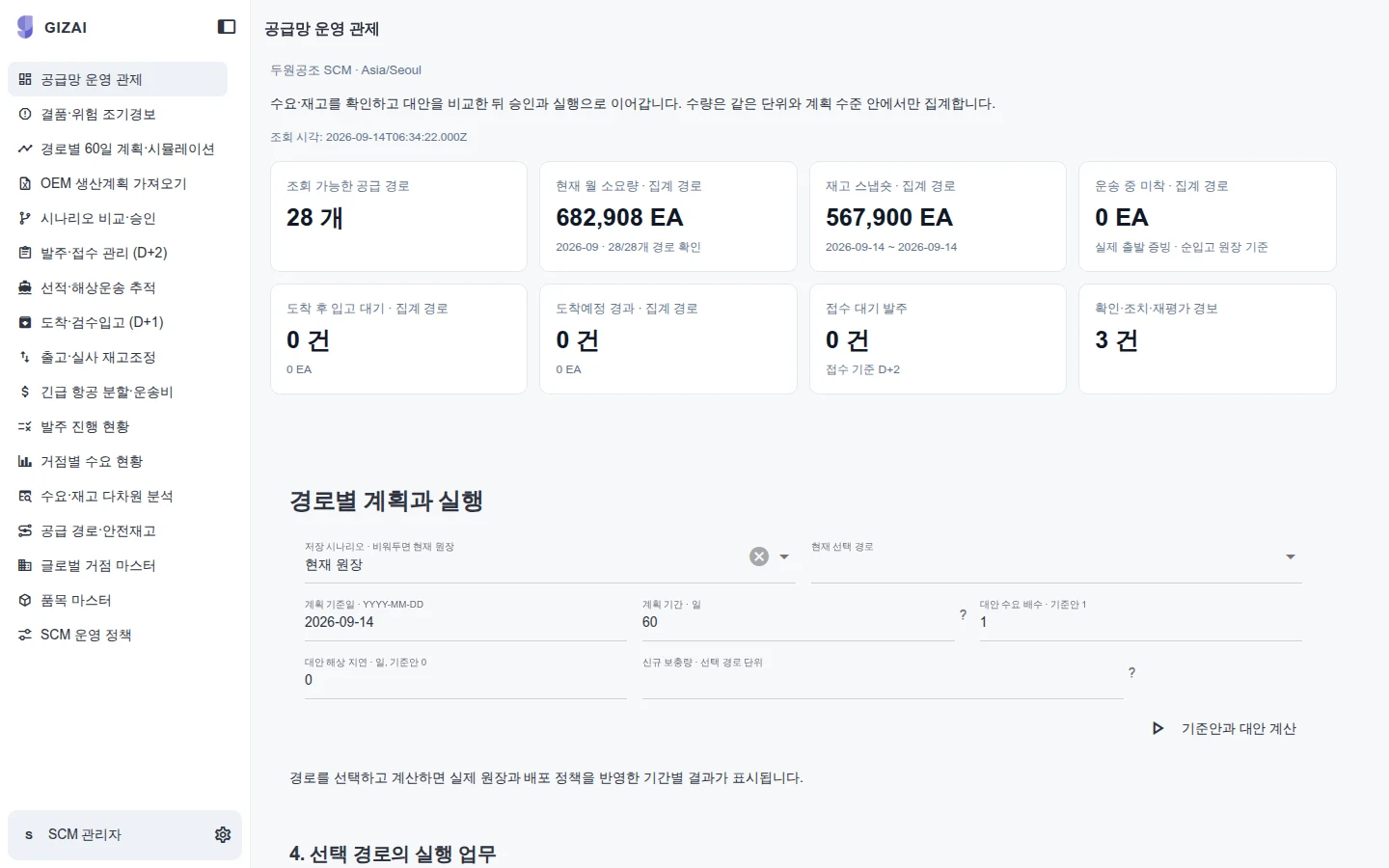
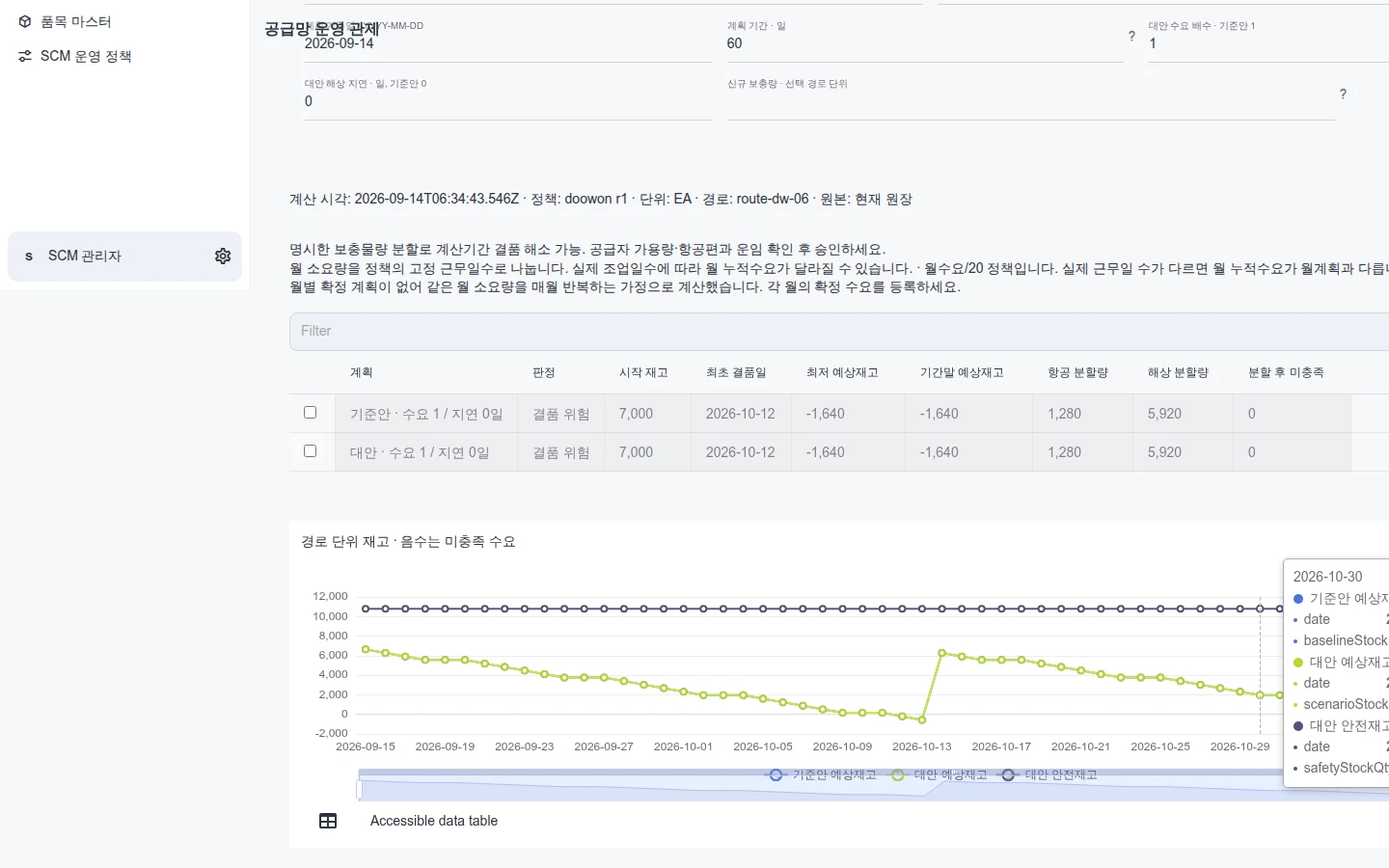
Giz SCM supply chain planning & simulation
Live supply chain cockpit tracking delivery risks, optimal safety stock, and lead-time simulations across plant locations.
Explore this capability →giz.systems/solutions/mes
Giz MES shopfloor tracking & daily production plan
Unified Case smart manufacturing screen tracking line dispatch, WIP flow, daily production orders, and defect metrics.
Explore this capability →giz.systems/solutions/apps
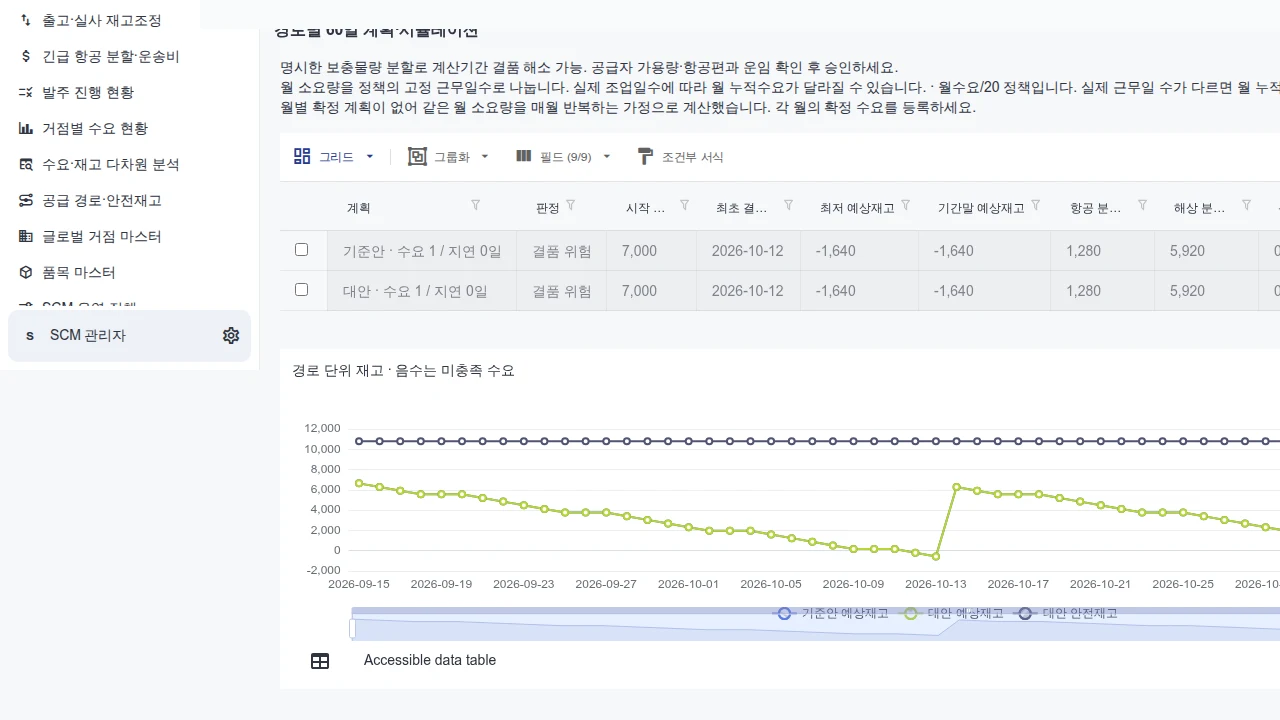
Giz Apps Global Tier-1 60-day production planning smart grid & What-If simulation
Live operational grid calculating 60-day rolling time-series plans, shortage risks, projected inventories, and air/sea split allocations at 60 FPS.
Explore this capability →giz.systems/solutions/apps
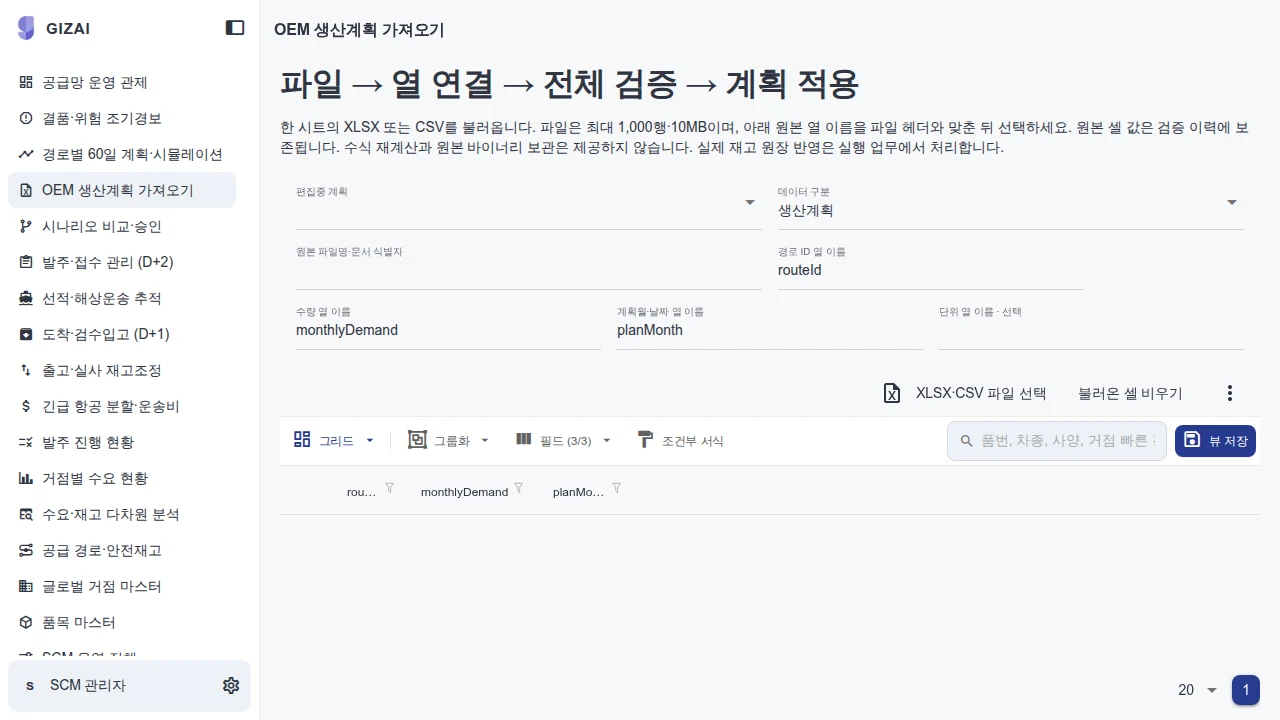
Giz Apps OEM plan Excel reverse engineering & ontology compiler
Automated Spreadsheet-to-Operational-App workflow analyzing legacy Excel plans, reverse-engineering business rules, and mapping them to core ontology.
Explore this capability →Table of Contents
1.
Bridging Shopfloor Reality and Decision-Making in Smart Manufacturing (Manufacturing AX)
2.
Core Operational Capabilities
3.
Shopfloor Workflow in Action
4.
Operational Acceptance Criteria
Bridging Shopfloor Reality and Decision-Making in Smart Manufacturing (Manufacturing AX)
Traditional manufacturing shopfloors suffer from fractured systems: legacy MES, offline spreadsheets (production_plan_actual.xlsx, shortage_tracker.xlsx, tool_maintenance.xlsx), chat tools, groupware approvals, and ERP all operate in silos. When material shortages or equipment bottlenecks occur, determining root causes and obtaining change approvals incur costly delays and data distortion.
Converting 7 spreadsheets into 7 disconnected web forms simply turns spreadsheet silos into web silos. Giz MES uses a Spreadsheet-to-Operational-App Compiler to reverse-engineer formulas, cell lookups, and color-coded risk states into a Manufacturing Core Ontology (Core + Extension) and a Unified Case architecture.
Core Operational Capabilities
- Spreadsheet-to-App Compiler: AI reverse-engineers spreadsheet structure, cell formulas, and conditional formatting (risk colors) into standard manufacturing ontologies and operational applications.
- Core Ontology + Factory Extension: 80–90% shared manufacturing primitives (Order, Product, BOM, Material, Lot, WIP, Machine, Mold) combined orthogonally with factory-specific attributes (sequencing numbers, cavity counts, die positions).
- 4-Nature Data Segregation: Explicitly categorizes every operational value into Facts (actual measurements), Expectations (vendor delivery estimates), Assumptions (operating targets), and Decisions (approved management rulings) to prevent operational confusion.
- Real-Time WIP Tracking: Live tracking of started, in-progress, completed, and defective part counts across all lines, with continuous Overall Equipment Effectiveness (OEE) telemetry.
- Configurable Shopfloor Approvals: Multi-tier operational approval workflows (e.g., Process Engineering Review → Quality Assurance Concurrence → Plant Manager Approval) directly attached to line change requests.
- Unified Operations Inbox: A single prioritized inbox where operators, engineers, and plant managers handle pending approvals, shopfloor dispatch tasks, and AI intervention proposals.
- Collaborative AI Agents: Proactive AI agents monitor material buffers and machine status, simulate sequence alternatives upon disruption, and propose one-click actionable adjustments.
Shopfloor Workflow in Action
- Risk Detection: When a supplier shipment delay threatens a stamping line, the AI agent detects impending line downtime and SLA violation risk.
- Alternative Simulation: The agent calculates tooling changeover times and delivery impact across pending production lots, posting an optimized rescheduling proposal.
- Executive Approval: The plant manager reviews the simulation, engineering consensus, and quality checks in the mobile inbox and taps [Approve].
- Idempotent Write-Back: Approved changes are committed to the primary ERP and line PLC dispatch queues via idempotent transactional write-back.
Operational Acceptance Criteria
- Production actuals and ERP source postings must maintain zero discrepancy.
- Process parameters and dispatch orders must not alter shopfloor machines prior to full approval quorum completion.
- Local buffering must preserve shopfloor actuals during network drops and sync cleanly upon recovery.
Supply Chain Planning & Simulation · Giz Apps · Business Applications
Ask Giz Agent
Consult published material and prepare a technical draft.